We already know how to save our rivers. We just will not.
Bangladesh already has the laws, the data, and even a list of the nine industrial zones killing its rivers. What it lacks is the will to enforce any of it — and no new political promise will change that
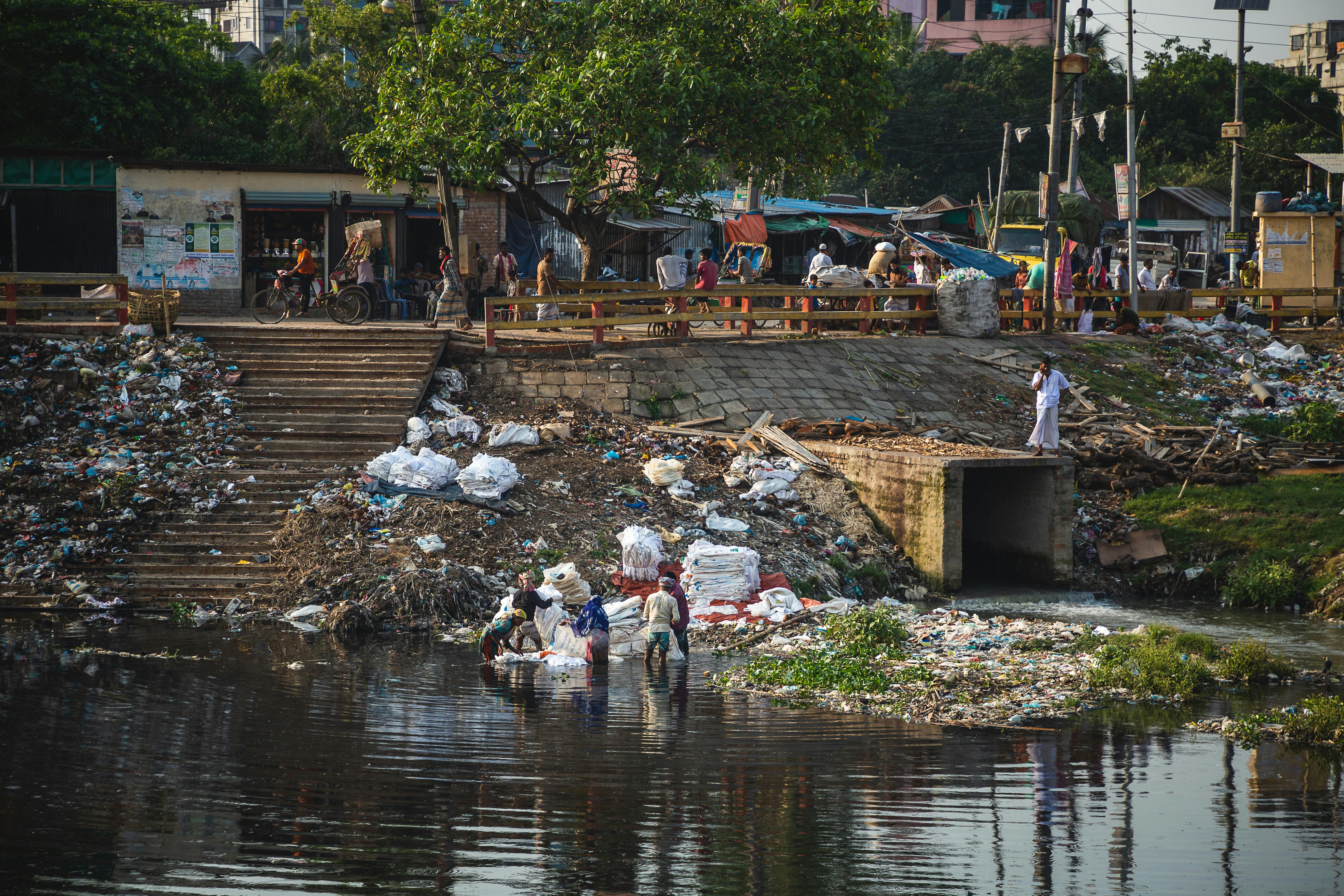
I have stopped being moved by World Environment Day. Every June the speeches arrive on schedule, the panels fill up, someone important stands in front of a banner and calls the Buriganga a national shame. Then July comes and the river is exactly as black as it was in May.
I used to think the problem was that people did not know. That if we explained it well enough, showed the right photo of the right dead river, something would shift. I do not believe that anymore. Everyone knows. The minister knows. The man who owns the tannery upstream knows better than anyone. Awareness was never the thing we were short of.
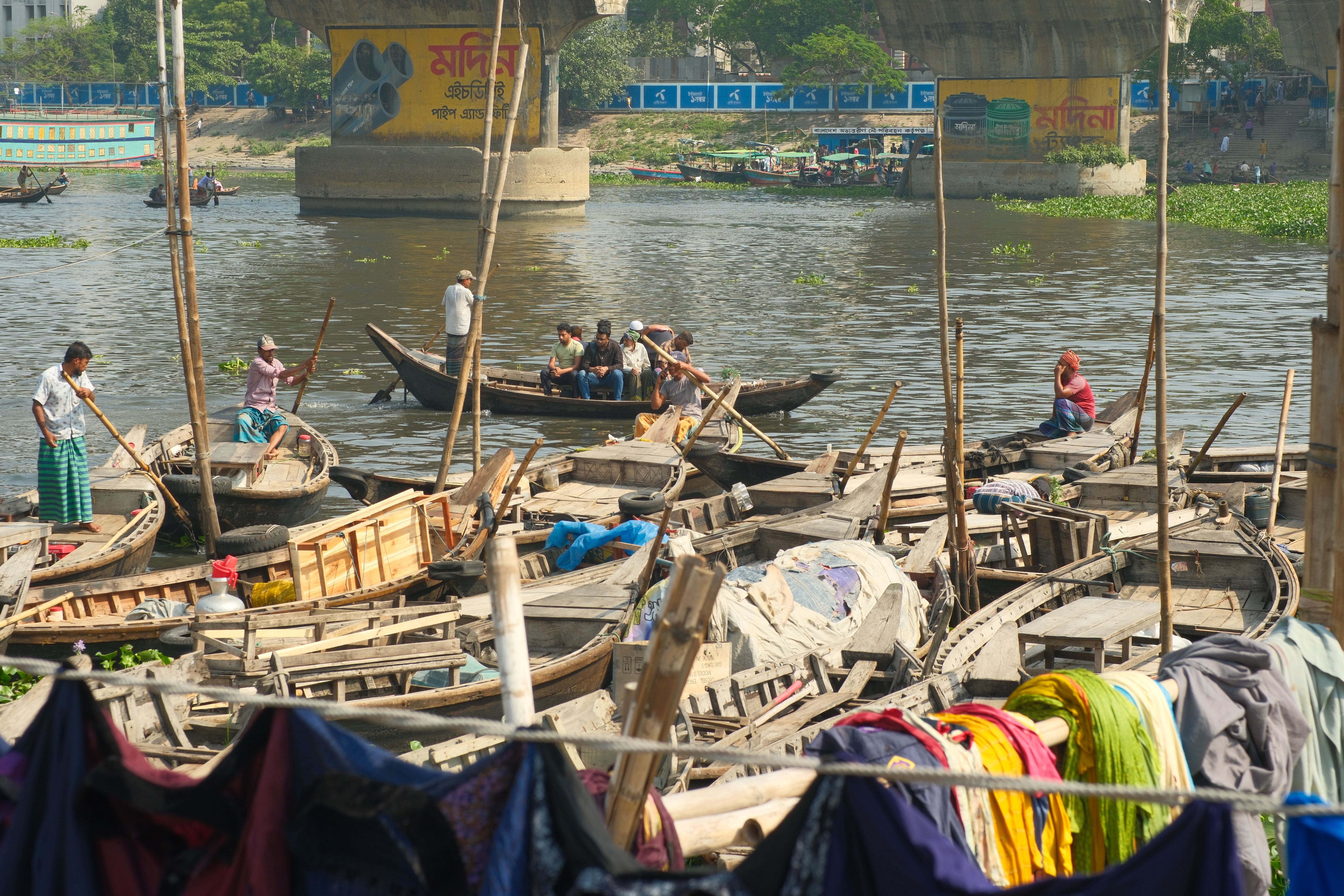
We even know the culprits by name. The Department of Environment has identified nine industrial zones around Dhaka as the main sources of what goes into our rivers. Nine. We have the list. The tanneries alone pour roughly 21,600 cubic metres of toxic waste into the Buriganga every single day, and the city tips in around 4,500 tonnes of solid waste on top of that, most of it ending up in the same water. This is not a mystery we are still trying to crack. We cracked it years ago. We just filed the answer away and moved on.
And we have the laws, too, which is what makes the whole thing so maddening. Bangladesh has environmental courts. It has a river commission whose entire reason to exist is protecting rivers like this one. In 2019 we drafted a Clean Air Bill with real penalties in it, fines and prison time for the worst offenders. On paper, the Buriganga is one of the better-protected rivers in the region.
The water clearly did not read the paper.
Studies keep turning up the same findings: stretches where the oxygen falls to almost nothing, which is the polite scientific way of saying the river is no longer alive there. Lead, chromium and cadmium are sitting above the levels that are safe to drink. And it all worsens in the dry months, when there is less flow to thin anything out. Winter doesn’t clean the river. It just concentrates the poison.
Here is the part nobody wants to say plainly. A law that no one is afraid of is not a law. It is a press release. We do not have a knowledge gap in this country. We have a skill gap. The inspection that does not happen. The fine that’s quietly forgiven. The factory ordered shut is running again by Friday. That is the whole story, repeated until the river dies.
And now, suddenly, the rivers are turning up in politics. Parties are writing them into their manifestos: river restoration and cleaner energy and the rest of it. I should be glad, and part of me is. After years of treating the environment as something we would get round to once we were rich enough, it’s finally being treated as something a voter might care about.
But I keep tripping on the same thought. We already have the laws. We already have the list of nine zones. If the will to act existed, we would not need fresh promises. We would just use what’s already sitting in the drawer.
So I do not want to hear another pledge to save the Buriganga. I have heard those. I want something far less exciting than a pledge. I want one tannery actually shut and kept shut. I need the fine to be collected. I want the boring, thankless, unphotogenic work of making the rules mean something, because that, and not awareness, is the only thing that was ever missing.
The river has heard every speech it needs. It is still waiting on the rest of us.